
🚨 ALERT: China Confirms Over 7,000 Cases: New Outbreak Sparks Global Travel Alert — What You Need to Know Now
A Sudden Surge That Has Put Asia on High Alert
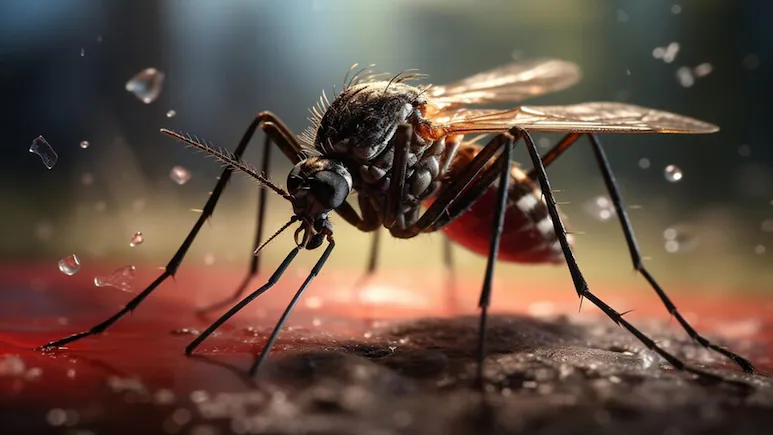
A severe chikungunya outbreak has been reported in China with more than 7000 cases. While chikungunya is rarely fatal, it can cause chronic symptoms like joint pain.
Chikungunya is transmitted to humans through the bite of infected mosquitoes.
But what’s driving this sudden spike? And should travelers be worried?
Let’s break it down — and stay with this story, because the details that follow are
Where Is the Outbreak Worst?
More than 7000 cases of chikungunya have been reported in China. Guangdong province
The US Centres for Disease Control and Prevention (CDC) has issued a Level 2 Travel Alert (Practice Enhanced Precautions) for all Americans travelling to China.
The CDC has also recommended vaccination for travellers visiting an area with a chikungunya outbreak.
Quick Refresher: What Exactly Is Chikungunya?
For the unversed, chikungunya is a viral vector-borne disease
The virus doesn’t spread from person to person through close contact — however,
This means that mosquito exposure is the real danger, not physical contact.
What Are the Symptoms of Chikungunya?

Chikungunya is characterised by a sudden onset of fever and severe joint pain. The incubation period is typically
Common Symptoms Include:
-
High fever
-
Severe joint pain and swelling
-
Muscle pain
-
Headache
-
Fatigue
-
Rash
Severe joint pain is one of the distinct symptoms, which may last for
Older adults or those with pre-existing conditions are more likely to experience prolonged joint pain — particularly during extreme weather conditions.
Other symptoms are generally self-limiting and improve within a week.
What Are the Treatment Options for Chikungunya?
Chikungunya treatment mainly focuses on relieving symptoms. Anti-inflammatory medicines and painkillers are usually used to manage fever, joint pain, and muscle pain.
Rest and adequate hydration also assist in quick recovery.
Is Chikungunya Fatal?
Chikungunya is rarely fatal. However:
-
the elderly
-
newborns
-
individuals with pre-existing health conditions
remain at a higher risk of severe complications
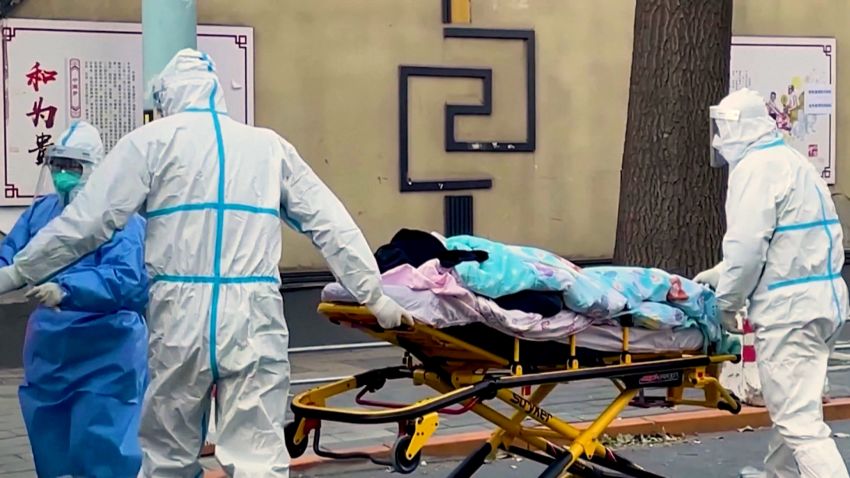
Most symptoms are generally self-limiting and last for 2–3 days. The disease is characterised by an abrupt onset of fever, frequently accompanied by joint pain. Other common signs and symptoms include muscle pain, headache, nausea, fatigue and rash.
How to Prevent Chikungunya
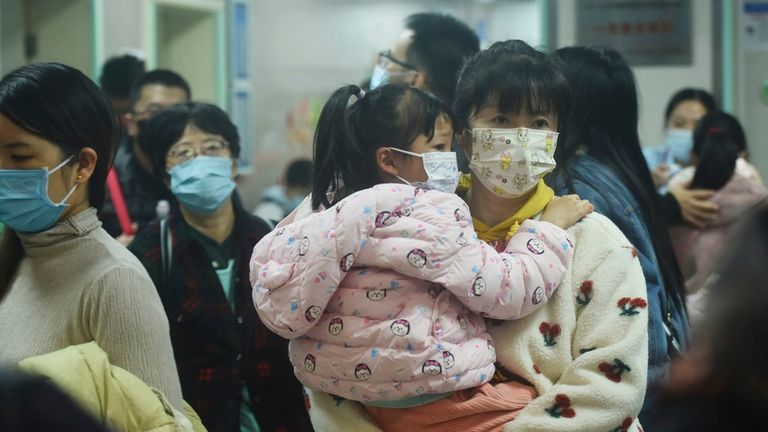
Chikungunya prevention involves reducing mosquito exposure and controlling mosquito populations.
Effective Strategies Include:
-
Use insect repellent containing DEET or eucalyptus oil, especially when outdoors
-
Wear long-sleeved clothes and full-length pants to minimise skin exposure
-
Use mosquito nets while sleeping
-
Eliminate standing water — mosquito breeding hotspots
-
Install window and door screens
-
Stay indoors during peak mosquito activity hours (dawn and dusk)
A Brief Look at the Virus History\
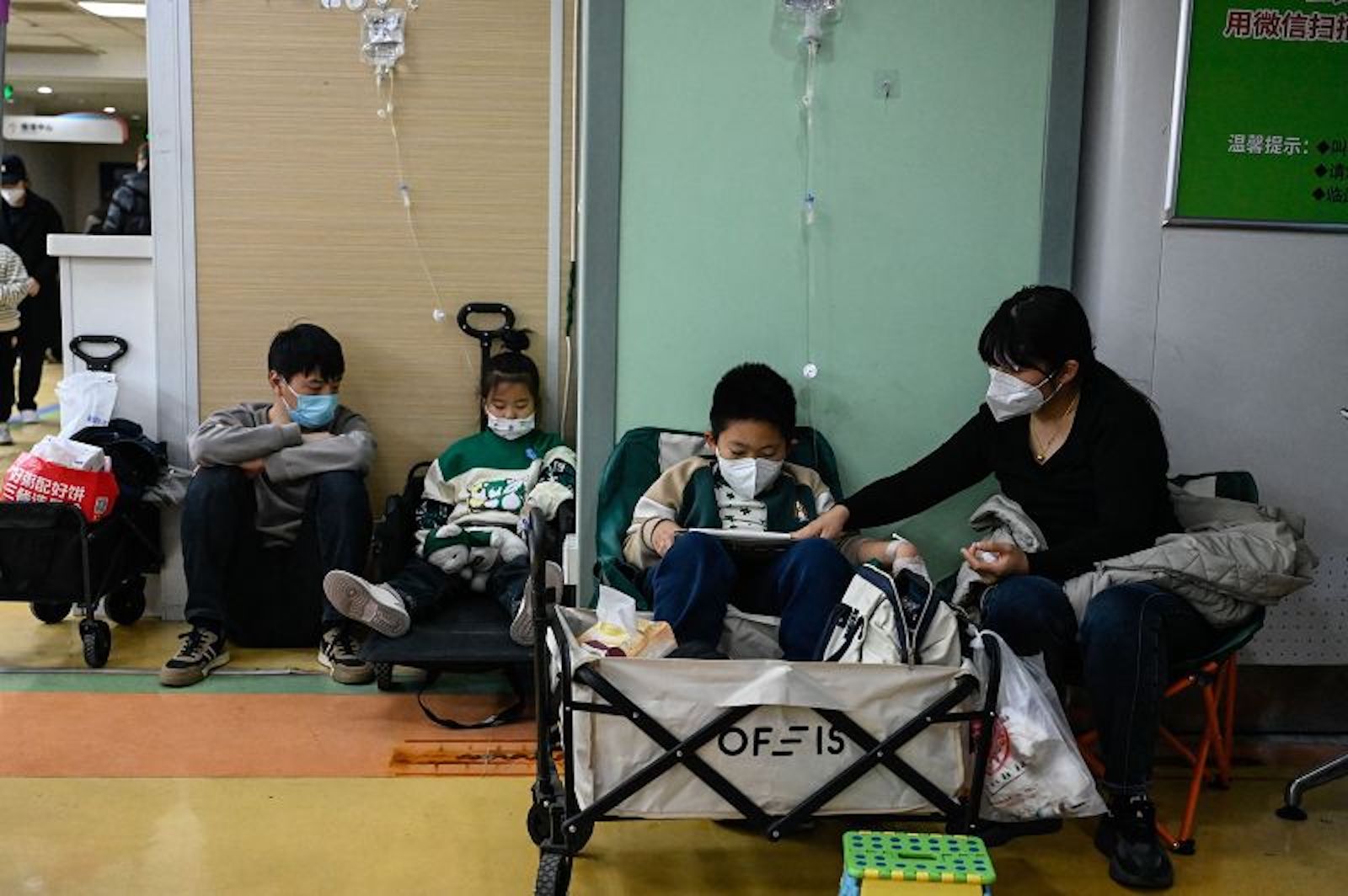
According to the World Health Organisation, the chikungunya virus was first identified in Tanzania in 1952, later spreading across Africa and Asia.
Urban outbreaks were first recorded in Thailand (1967)
Currently, the U.S. has two chikungunya vaccines available:
-
IXCHIQ (live-attenuated vaccine)
-
VIMKUNYA (virus-like particle vaccine)
Disclaimer
This content including advice provides generic information only. It is in no way a substitute for a qualified medical opinion. Always consult a specialist or your own doctor for more information. We do not claim responsibility for this information.


